Planetary AI – data materiality in the Global South
As Artificial Intelligence (AI) accelerates globally, governance debates predominantly focus on algorithmic bias and software intellectual property. However, AI is fundamentally anchored in concrete physical infrastructure and global resource extraction. This session investigates the cosmopolitics of AI Global Production Networks (GPNs) by centering on the rapid expansion of hyper-scale data centres across Latin America and Africa. Data centres constitute critical, highly contested material ‘choke points’ where extraterritorial power relations and state interventions – driven by US and Chinese tech dominance – collide with local resource constraints. Deploying a cosmopolitics lens, we examine how global compute demands trigger localised tensions over water scarcity, green energy allocation, land rights, and labour conditions. Moving beyond top-down narratives, this talk presents empirical research to analyze how Global South actors respond to, negotiate, and resist extraterritorial state and corporate control. By examining physical nodes – from lithium and copper extraction to energy grids – we highlight how relational power shifts across scales. The session offers concrete policy insights for host nations to safeguard resource sovereignty, enforce local value retention, and establish equitable governance frameworks for AI’s physical infrastructure footprint.
About the speaker
Dr. Beatrice Bonami is a Brazilian Science, Technology, and Society (STS) Scholar at the University of Edinburgh (School of Social and Political Sciences), focusing on the planetary networks and materiality of AI systems (with specific focus on emerging economies). Her interdisciplinary research investigates epistemic justice, alterontologies, eco-philosophy, decoloniality, and non-Western perspectives in technology and education. Grounding theoretical frameworks in empirical reality, she has directed extensive ethnographic projects across the South American Amazon Rainforest; and West, East and South Africa. At Edinburgh, her work critically advocates for pluralistic, non-Western, and sustainable technoscience futures.
Registration Link
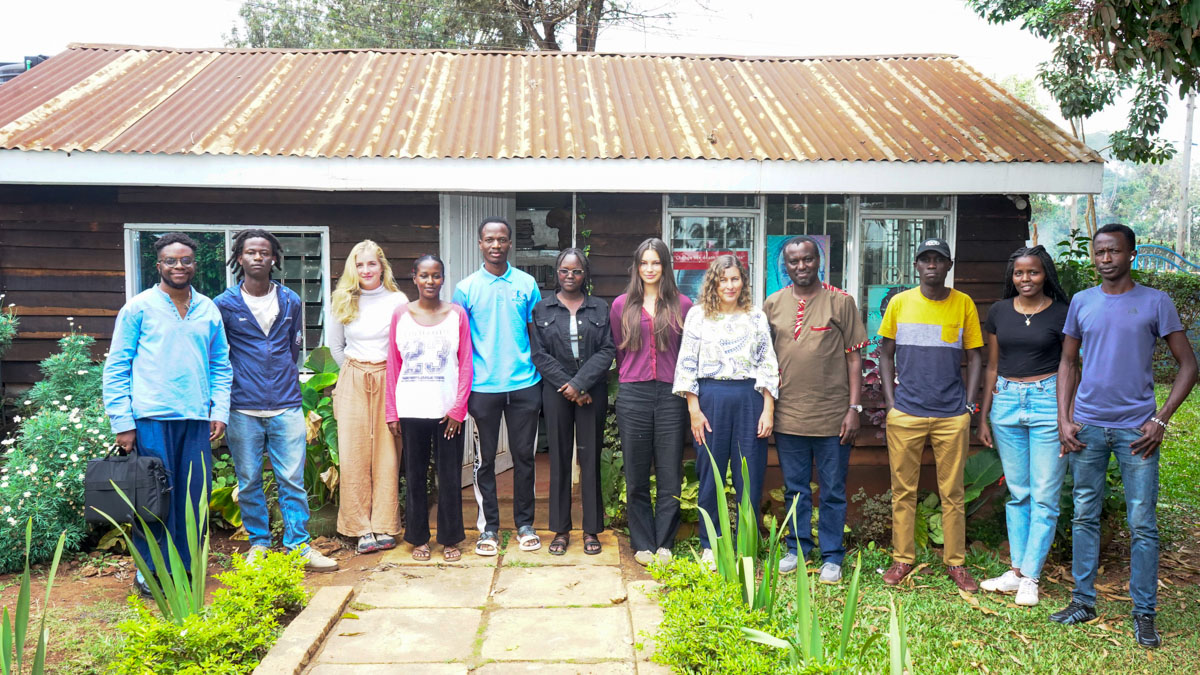
There are many reasons to become a member of the BIEA and join our research community. The BIEA membership is open to all researchers and early career researchers.
Get involved